
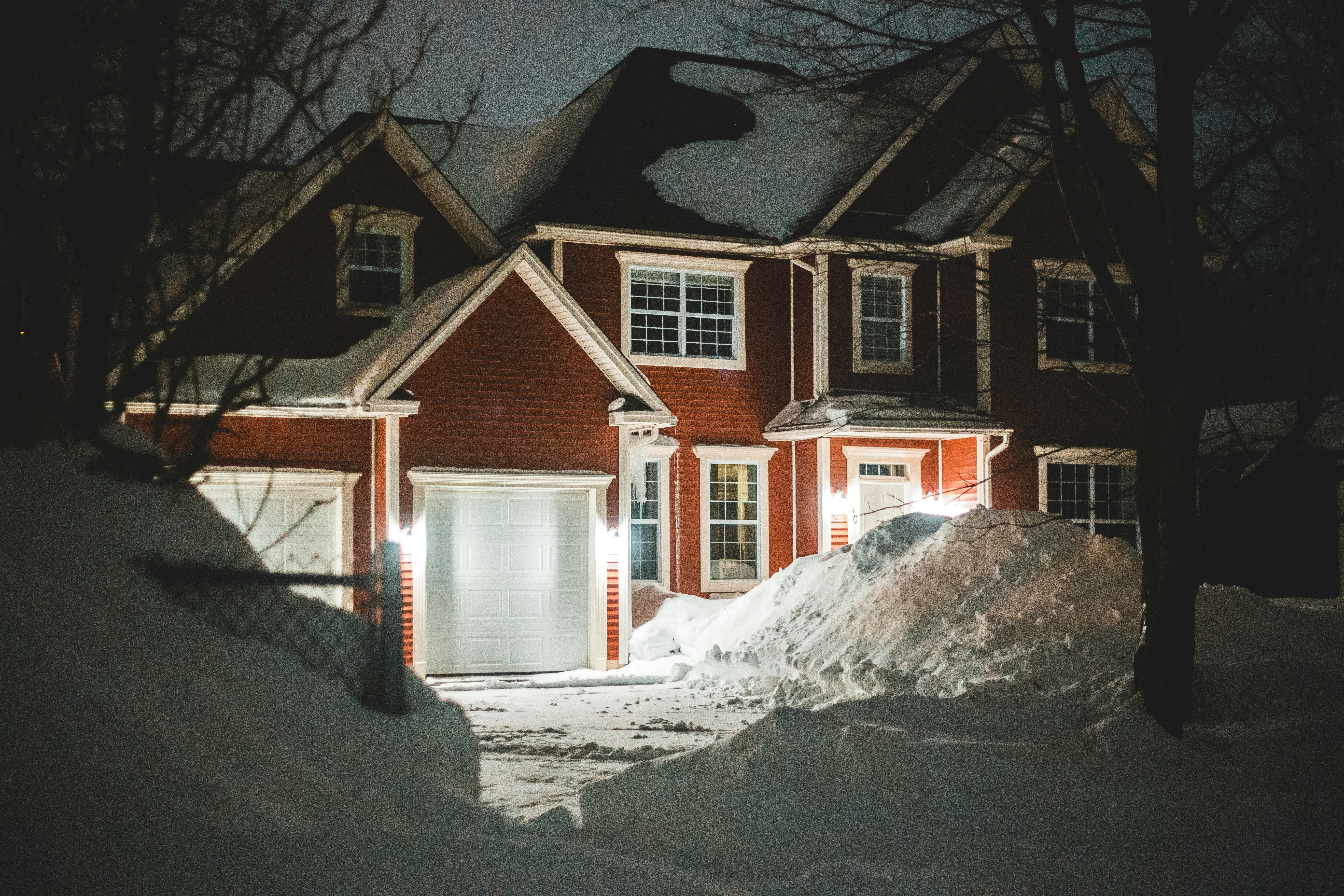
Understanding Home Insurance Basics
Home insurance is a crucial component of property ownership, designed to provide financial protection against various risks associated with homeownership. Typically, a standard home insurance policy covers several key areas, including dwelling protection, personal property, liability coverage, and additional living expenses. Understanding these components is essential for ensuring that you have adequate protection and for avoiding situations where the creepy reason your home insurance might not cover you may come into play.
Dwelling protection refers to the coverage of the physical structure of your home, safeguarding it against potential damages from events such as fire, theft, or natural disasters. Most policies will specify the types of disasters that are covered, thus making it imperative for homeowners to review these details carefully. This knowledge can prevent unexpected surprises, ensuring your home is restored to its original condition in cases of damage.
Personal property coverage pertains to the belongings within your home, including furniture, electronics, and clothing. This line of coverage typically extends to items stolen or damaged due to covered events. However, there might be exclusions and limitations within your policy, which is why homeowners must understand these terms in order to avoid the creeping uncertainty of whether their possessions are adequately protected.
Liability coverage provides financial protection against claims resulting from injuries or damage inflicted upon others while on your property. This facet of home insurance is vital, as it can cover legal fees or medical expenses that might occur after an incident. Lastly, additional living expenses cover costs incurred if you are temporarily unable to reside in your home due to a covered loss. It is essential for policyholders to grasp these elements to avoid the unexpected failures of home insurance coverage. Understanding your policy thoroughly can help mitigate the risks associated with the creepy reason your home insurance might not cover you and implement necessary adjustments to ensure comprehensive protection.
The Fine Print: What’s Excluded?
When it comes to home insurance, the fine print often contains unexpected exclusions that can leave homeowners vulnerable. Many individuals may not fully understand that their policy may not cover several situations or damages that can occur in and around their homes. These exclusions are critical to recognize because they highlight the creepy reason your home insurance might not cover you, potentially leading to significant out-of-pocket expenses when disaster strikes.
One of the most significant exclusions found in many home insurance policies pertains to acts of God, such as natural disasters. Events like earthquakes, floods, and hurricanes are often not covered, requiring homeowners to seek additional specialized insurance if they live in areas prone to such calamities. For instance, if a hurricane caused flooding in your home, standard home insurance might not provide any financial support, highlighting the necessity of understanding these limitations.
Moreover, specific types of water damage can also fall under the exclusion category. For example, while sudden, accidental damage like a burst pipe may be covered, gradual damage from things like poor maintenance or consistent leaks often is not. This can lead to significant repair costs, catching homeowners off guard when they mistakenly assume that all water damage is covered by their policy.
Additionally, wear and tear issues are typically excluded from standard home insurance coverage. Homeowners may feel unprepared when they encounter damage from aging infrastructure such as roofs, appliances, and plumbing, which are deemed part of routine upkeep rather than an insurable loss. Thus, familiarizing oneself with these exclusions is vital to mitigate risks and ensure adequate coverage. Understanding the ins and outs of your home insurance policy can save you both money and stress in critical situations.
The Hidden Dangers: Unreported Home Issues
Home insurance is designed to provide financial protection against unforeseen events; however, many homeowners may not realize that certain undetected or unreported issues in their properties can jeopardize their coverage. This situation can lead to the unsettling conclusion that the creepy reason your home insurance might not cover you is due to ongoing problems that have gone unnoticed or unreported. Insurers typically expect homeowners to maintain their properties adequately, and failing to address issues such as mold, pest infestations, or structural damage can put a policyholder’s claim at risk.
Mold growth is one of the more common hidden dangers that can affect a home. Often stemming from water leaks or humidity problems, mold can cause significant damage not only to the structure but also to the health of the occupants. It’s crucial for homeowners to conduct regular inspections and proactively address any water issues. If mold is left untreated, and subsequently results in damage, an insurance claim related to the mold might be denied due to the homeowner’s lack of diligence in reporting the issue.
Pest infestations, such as termites or rodents, pose another serious risk. If evidence shows that a homeowner was aware of an infestation prior to filing a claim and failed to notify their insurance provider, coverage may be denied. Similarly, undetected structural damage, like foundation cracks or roof leaks, can lead to extensive repairs that may not be covered if the homeowner neglected to inform their insurer about the deteriorating condition of the home.
Consequently, the importance of conducting regular home inspections cannot be overstated. Homeowners should be diligent in identifying potential risks and keeping their insurance providers informed of any known problems. By taking responsibility for their property’s maintenance, homeowners can significantly reduce the likelihood of encountering issues when filing a claim and safeguard themselves against the creepy reason your home insurance might not cover you.
Creepy Circumstances: How Your Lifestyle Affects Coverage
Your lifestyle plays a crucial role in determining the extent of your home insurance coverage. Different activities or modifications around your home may expose you to risks that could compel insurance companies to limit or deny your claims. One of the more perplexing examples relates to owning certain pets; while dogs are often considered companions, some breeds may be classified as dangerous, raising red flags for insurers. This means that if your beloved pet were to cause an injury or property damage, your home insurance might not cover those costs, leaving you in a precarious financial situation.
Another factor affecting coverage is operating a home-based business. While many people adapt to remote work or entrepreneurial ventures, not disclosing such activities to your insurance provider can lead to significant gaps in coverage. If a client were to visit your property and suffer an injury, or if business equipment were to be damaged, you might find yourself without the necessary protection. It’s vital to inform your insurer about any business activities conducted from your home to ensure that your policy accommodates these operations.
Pools, while offering recreational benefits, also introduce liability risks. Homeowners with pools are often required to have additional liability coverage, as accidents can lead to severe injuries or even drownings. Failure to update your policy to reflect the existence of a pool could result in a lack of coverage should an unfortunate event occur. It is essential that homeowners assess their lifestyle and any modifications to their property to ensure their insurance coverage is adequate. By understanding how different lifestyle choices can affect your home insurance, you can take the necessary steps to avoid the creepy reason your home insurance might not cover you (and how to fix it), ultimately protecting your assets and peace of mind.
Navigating Insurance Claims: What You Need to Know
Filing an insurance claim can often feel like a daunting task, particularly in the context of understanding how your home insurance might not provide the coverage you expect. One of the main reasons behind potential coverage gaps is the claims process itself; being ill-prepared can lead to unnecessary complications and even denial of your claim. To avoid the creepy reason your home insurance might not cover you, it is essential to approach this process with a solid plan.
Firstly, it is crucial to gather all necessary documentation before initiating a claim. This typically includes a detailed inventory of damaged or lost property, photographs of any damage, police reports (if applicable), and copies of your home insurance policy. Thorough documentation not only substantiates your claim but also aids in facilitating the review process by your insurer. Furthermore, ensure that you have noted the specific coverage limits and exclusions stated in your policy; this understanding can prevent surprises during the claims process.
Next, communicate clearly and promptly with your insurance provider. Most insurance companies have strict timelines for filing a claim, and any delays could jeopardize your chances of receiving compensation. Therefore, it is imperative that you report the incident immediately and follow up as necessary. Additionally, be aware of potential pitfalls such as understating or overstating claims, as either can lead to complications. Moreover, any signs of misrepresentation could raise red flags and ultimately lead to denials—a truly unsettling outcome.
In conclusion, navigating the insurance claims process requires careful planning and diligent documentation. Understanding what is needed and avoiding common pitfalls will significantly increase your chances of a successful outcome, ensuring that your home insurance adequately covers you when it matters most.
The Importance of Updating Your Policy
Keeping your home insurance policy updated is crucial for ensuring that you remain protected against unexpected events. Many homeowners overlook the significance of notifying their insurance providers about changes in their property or lifestyle, which can lead to insufficient coverage. The creepy reason your home insurance might not cover you often stems from these unreported alterations. For example, if you have recently made renovations or additions to your home, such as installing a swimming pool or converting a basement into a livable space, failing to inform your insurer could result in a lack of coverage in the event of a claim.
Additionally, lifestyle changes, such as starting a home-based business or becoming a short-term rental host, can also have a profound impact on your home insurance needs. Most standard policies do not cover certain business-related liabilities or rental activities unless specified. Thus, neglecting to update your home insurance policy to reflect these changes may leave gaps in coverage, exposing you to potential financial risks. Regularly reviewing your policy is essential for understanding what is included and identifying any new risks associated with your property.
To assess whether your home insurance policy adequately reflects your current situation, consider scheduling a review with your insurance agent annually or whenever you make significant changes. During this review, discuss alterations to your home, changes in occupancy, or new activities taking place on your property. Staying proactive in maintaining your policy not only helps ensure you are appropriately covered but also minimizes the likelihood of disputes during the claim process. Remember, updating your home insurance is not merely a bureaucratic task; it plays a critical role in safeguarding your financial well-being.
Conducting a Home Inventory: A Must-Do
Conducting a home inventory is an essential task that homeowners often overlook, yet it plays a pivotal role in ensuring adequate coverage for personal belongings under your home insurance policy. A detailed inventory not only helps you assess the value of your possessions but is also crucial when filing a claim. Without an accurate list, you may find yourself in a precarious situation when trying to prove ownership or value, especially in the event of a loss or disaster. The creepy reason your home insurance might not cover you often stems from lack of documentation, thereby making it more difficult to recover your lost assets.
To embark on creating a comprehensive home inventory, start by walking through each room in your home and taking stock of each item. It is advisable to categorize belongings by room or item type for easier organization and retrieval. Utilize digital tools or apps designed for home inventories that allow you to take photos, record serial numbers, and list purchase dates. This method ensures you possess up-to-date and detailed documentation that aligns well with your home insurance policy, thereby mitigating the risks of inadequate coverage.
Neglecting to conduct a thorough inventory can lead to significant financial repercussions. In scenarios where belongings are lost, damaged, or stolen, you may find your home insurance policy falling short if you cannot verify ownership and value. Homeowners risk underinsurance and face potential disputes with their insurance providers. Thus, by proactively documenting your possessions, you empower yourself to effectively navigate claims processes and reinforce the likelihood that your insurance policy covers all your belongings comprehensively. Remember, this simple step can prevent the unsettling realization that your home insurance might not cover you in times of need.
Finding the Right Coverage for You
Choosing the appropriate home insurance policy can be a daunting task, yet it is essential to ensure you have the necessary protection. The first step in the process is to assess your individual needs and circumstances. This means evaluating the value of your possessions, the type of home you own, and potential risks associated with your location. Understanding these factors will help you identify the appropriate coverage amounts to seek when shopping for home insurance.
Comparing different insurance policies is crucial in finding the best coverage. Insurance providers often offer varying features, deductibles, and premiums. It is advisable to obtain quotes from multiple companies to analyze their offerings comprehensively. Pay close attention to policy details, including what is covered, what is excluded, and the limits of each coverage type. This diligence will provide insight into any potential gaps that could leave you vulnerable, illustrating the creepy reason your home insurance might not cover you.
Engaging with an insurance agent can significantly streamline the process. These professionals possess extensive knowledge about the intricacies of home insurance policies, including any nuances or terminology that may confuse an average consumer. They can assist you in navigating the options available, ensuring that you do not overlook critical aspects of your coverage. Additionally, they may offer insights regarding local risks that could impact your insurance needs, making their expertise invaluable.
As you select a policy, consider reviewing and updating your coverage regularly. Major life changes, such as renovations or the acquisition of valuable possessions, should trigger a reevaluation of your home insurance. By staying proactive about your policy, you can minimize the unsettling surprises that may arise, ensuring that your policy is always tailored to fit your current situation and adequately protects you against any potential risks.
What to Do If You’re Denied: The Next Steps
Receiving a denial for your home insurance claim can be a disheartening experience, particularly when faced with the eerie realization that the creepy reason your home insurance might not cover you is often rooted in misunderstandings or oversight. If you find yourself in this situation, it is crucial to remain calm and take a series of methodical steps to address the denial effectively.
The first step is to review the denial letter carefully. Insurance companies are required to provide a comprehensive explanation detailing why your claim was rejected. Understand the specifics of the circumstances that led to this decision, as this will be instrumental in determining your next course of action. If the denial stems from anything ambiguous or unclear, do not hesitate to reach out for clarification. This communication can often unveil paths to resolve the misunderstandings surrounding your claim.
The next course of action involves appealing the denial. Most insurance companies have a structured appeals process that allows policyholders to formally contest a claim denial. While preparing your appeal, gather all pertinent documentation related to your claim, including photographs, repair estimates, and any previous communication with your insurance provider. Organizing this information will strengthen your case and provide a solid foundation for your appeal.
Communicating effectively with your insurance company is crucial throughout this process. Be concise and professional when presenting your case, and ensure that you clearly articulate why you believe the denial was unfounded. Keep records of all discussions, including the names of representatives you speak with and any reference numbers associated with your claims.
Moreover, familiarize yourself with your rights as a policyholder. Knowing these rights will empower you during your negotiations and appeals. Finally, if you find the process overwhelming or your attempts unsuccessful, consider seeking assistance from an insurance claims expert or legal professional who specializes in homeowner’s insurance. Such experts can provide invaluable support and guidance, increasing your chances of a favorable outcome.
In conclusion, while dealing with a denial can be unsettling, taking informed and organized steps can significantly enhance your chances of a successful appeal. Understanding the creepy reason your home insurance might not cover you and rectifying potential issues is essential for safeguarding your investment and ensuring you receive the coverage you deserve.